
When it comes to land clearing, vegetation management, or site prep, we know firsthand how overwhelming it can be to decide which attachment is right for the job. From overgrown brush to small trees and dense undergrowth, every site presents its own set of challenges. That’s why we’re here to guide you through the decision-making process so you can work smarter and more efficiently. If you’re unsure which attachment to choose, don’t hesitate to call Freedom Attachments at 336-645-7684 — our team will help you pick the right tool for your skid steer or excavator.
In this post, we’ll break down the differences between a brush cutter vs disc mulcher, compare forestry cutters and other attachments, and explain why choosing American-made skid steer and excavator attachments from Freedom Attachments can make all the difference.
Brush Cutter vs Disc Mulcher: What’s the Difference?
When deciding between a brush cutter vs disc mulcher, the main factor to consider is the type of vegetation you’re dealing with and the results you want.
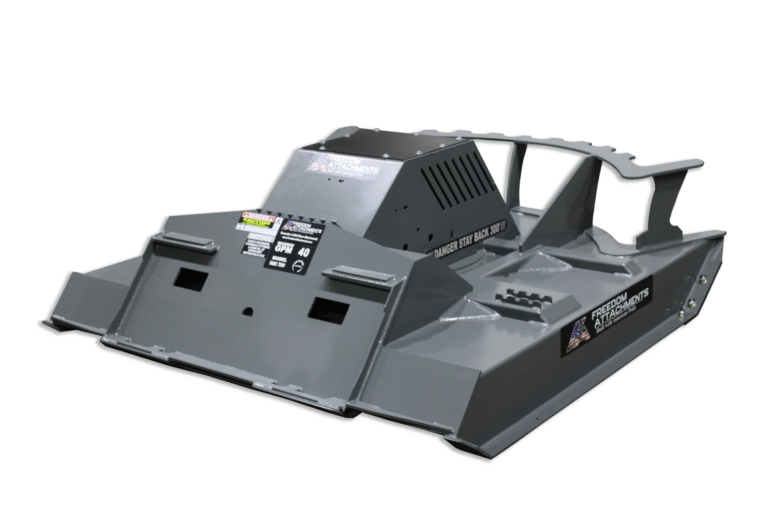
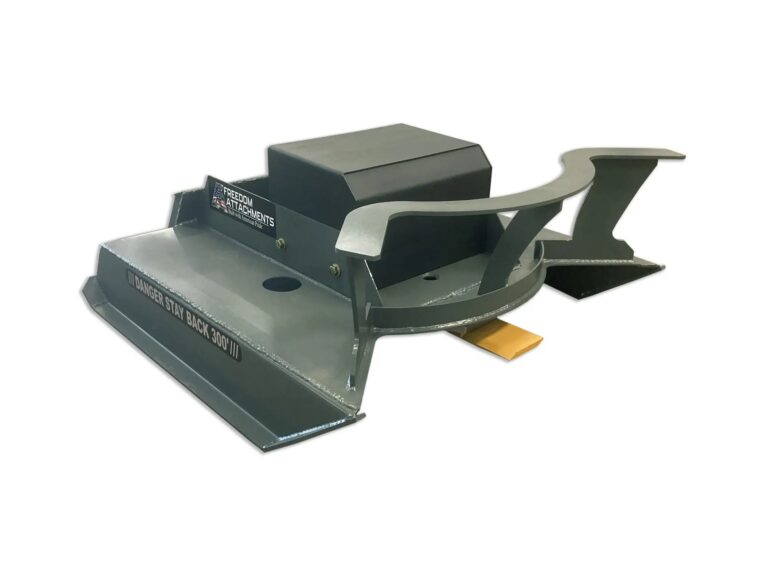
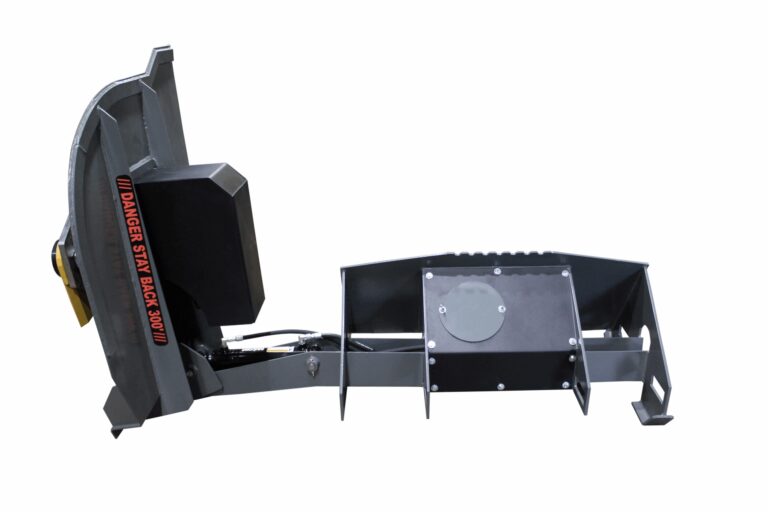
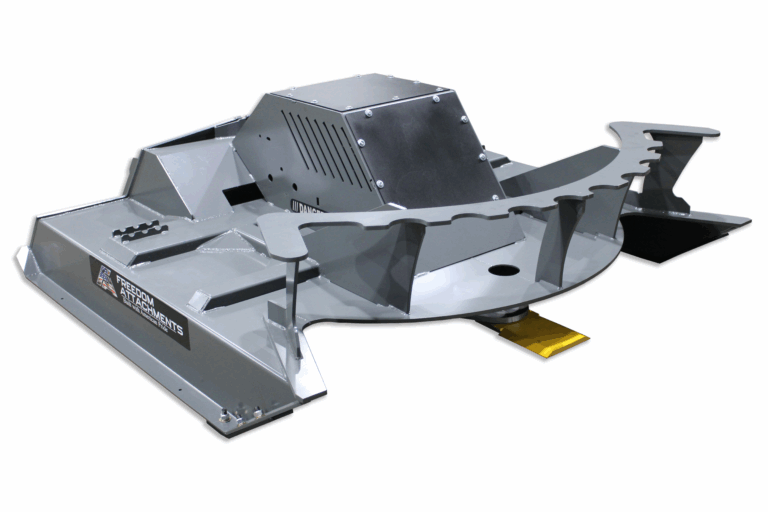
A brush cutter is a versatile attachment designed to tackle overgrown brush, saplings, and small trees. It’s perfect for clearing fence lines, trails, or light undergrowth quickly. Brush cutters are typically lighter, easier to maneuver, and allow us to cut and remove vegetation efficiently.
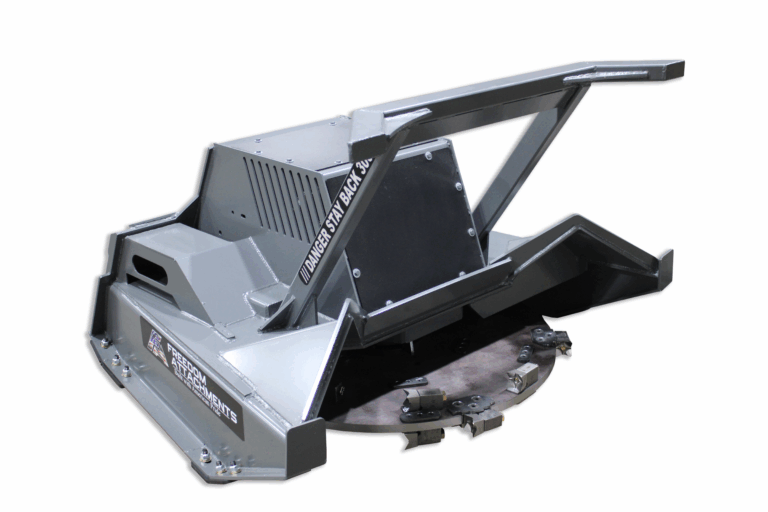
On the other hand, a disc mulcher is built for heavier-duty work. It features a rotating disc with hardened teeth or blades that shred vegetation, small trees, and brush into mulch. This attachment is ideal when we want to reclaim a site, reduce waste, or leave a natural layer of mulch to support soil health.
The key takeaway? If our goal is simply cutting and removal, a brush cutter will do the job. If we want to mulch in place and handle denser growth, a disc mulcher is the better choice.
Understanding Forestry Cutter vs Brush Cutter
Sometimes a brush cutter isn’t quite enough. That’s when we look at a forestry cutter vs a brush cutter scenario.
Forestry cutters are built for heavier, more demanding work. They handle larger trees, tougher terrain, and thicker stems that a standard brush cutter might struggle with. When we’re clearing right-of-ways, forest lots, or rough landscapes, a forestry cutter offers the strength and durability we need without sacrificing efficiency.
In short, a forestry cutter is a more robust solution when vegetation is too heavy for a brush cutter, but a disc mulcher isn’t necessary for mulching.
Key Factors for Choosing the Best Land Clearing Attachment
We always evaluate several factors before selecting an attachment:
Vegetation Type & Size
We consider whether we’re tackling light brush, saplings, or small trees. Stems under 3 inches? A brush cutter will usually suffice. Heavier growth? A forestry cutter or disc mulcher is often the way to go.
Terrain & Accessibility
Steep slopes, tight spaces, or rough terrain can influence our choice. Heavier, more robust attachments like forestry cutters or disc mulchers may be needed on difficult terrain, while brush cutters excel in accessible, manageable areas.
Desired Outcome
If we just need to cut and remove vegetation, a brush cutter or forestry cutter works. But if we want to turn vegetation into mulch for site rehab or erosion control, the disc mulcher is the attachment we reach for.
Equipment Compatibility & Power
We always match our attachment to the machine’s hydraulic flow and weight capacity. Overloading a skid steer or mini-excavator can slow production and increase wear, so choosing the right size attachment is crucial.
Cost, Productivity & Maintenance
While initial cost is important, we also factor in production rates, maintenance schedules, and wear components. A disc mulcher may be pricier upfront, but it can save labor and disposal costs in the long run.
Safety Considerations
Flying debris, kickback, and machine stability are always top of mind. Proper guarding, operator training, and site assessment ensure we work safely while maximizing efficiency.
Decision Matrix: Brush Cutter, Forestry Cutter, or Disc Mulcher?
Here’s how we typically decide:
| Scenario | Best Choice | Why |
| Light overgrowth, saplings under ~3″, accessible terrain | Brush Cutter | Quick, cost-effective, minimal machine demand |
| Heavy brush + small trees (3″–8″), uneven terrain | Forestry Cutter | More robust, larger capacity, higher production |
| Need to mulch in place, remove root mass, large area | Disc Mulcher | Turns vegetation into mulch, reduces removal needs, supports re-vegetation |
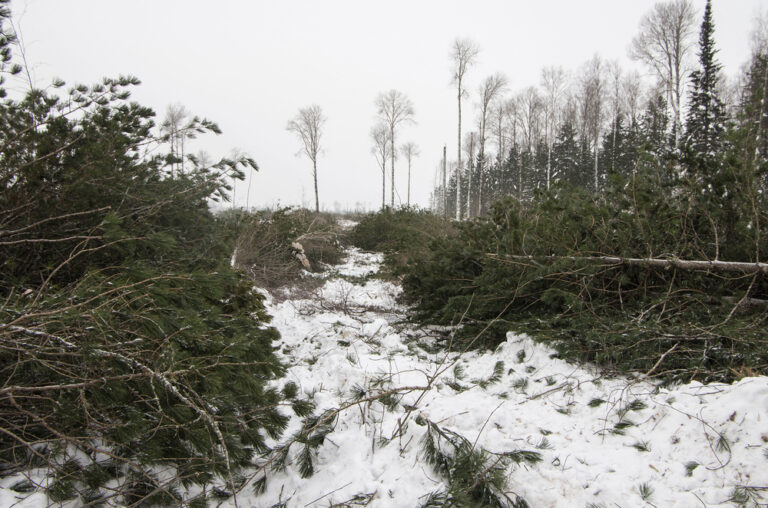
For example, when clearing a roadside right-of-way, we often go with a forestry cutter. For pasture edges or light brush, a brush cutter does the job efficiently. And after logging or major site rehab, we rely on a disc mulcher to leave a clean, mulched surface.
Why Choose Freedom Attachments: American-Made Skid Steer and Excavator Attachments Built in the USA
At Freedom Attachments, we trust only products that are built in the USA. Our attachments are engineered for durability, performance, and longevity — exactly what you need for demanding land-clearing jobs.
American-made skid steer attachments mean quality, reliability, and parts availability you can count on.
They offer a comprehensive range of brush cutters, forestry cutters, and disc mulchers, so you can standardize your fleet with one trusted brand.
With a strong dealer network and warranty support, you never have to worry about downtime.
Ultimately, our products boost efficiency, productivity, and return on investment — you get more done, safely, and with less hassle.
Ready to Get the Right Attachment for Your Job?
Choosing the right attachment comes down to vegetation type, terrain, desired outcome, and equipment compatibility. By understanding the brush cutter vs disc mulcher difference — and considering forestry cutters when necessary — you can tackle any land-clearing job with confidence.
If you’re ready to match the right attachment to your machine and job site, we encourage you to call Freedom Attachments today at 336-645-7684. Their team of experts will help you choose the perfect American-made skid steer attachment to get the job done safely and efficiently.